
JOURNAL
The Enduring Appeal of Time in the African Wilderness

Post:
The Enduring Appeal of Time in the African Wilderness
Category:
ExperiencesAUTHOR:
Nimali Africa
DATE:
March 2026
There’s a particular kind of stillness that exists in the African wilderness, and it’s unlike any other quiet you’ll encounter in your life. It’s layered and alive, full of rustling and calling and the low percussion of a world going about its ancient business without any reference to yours.
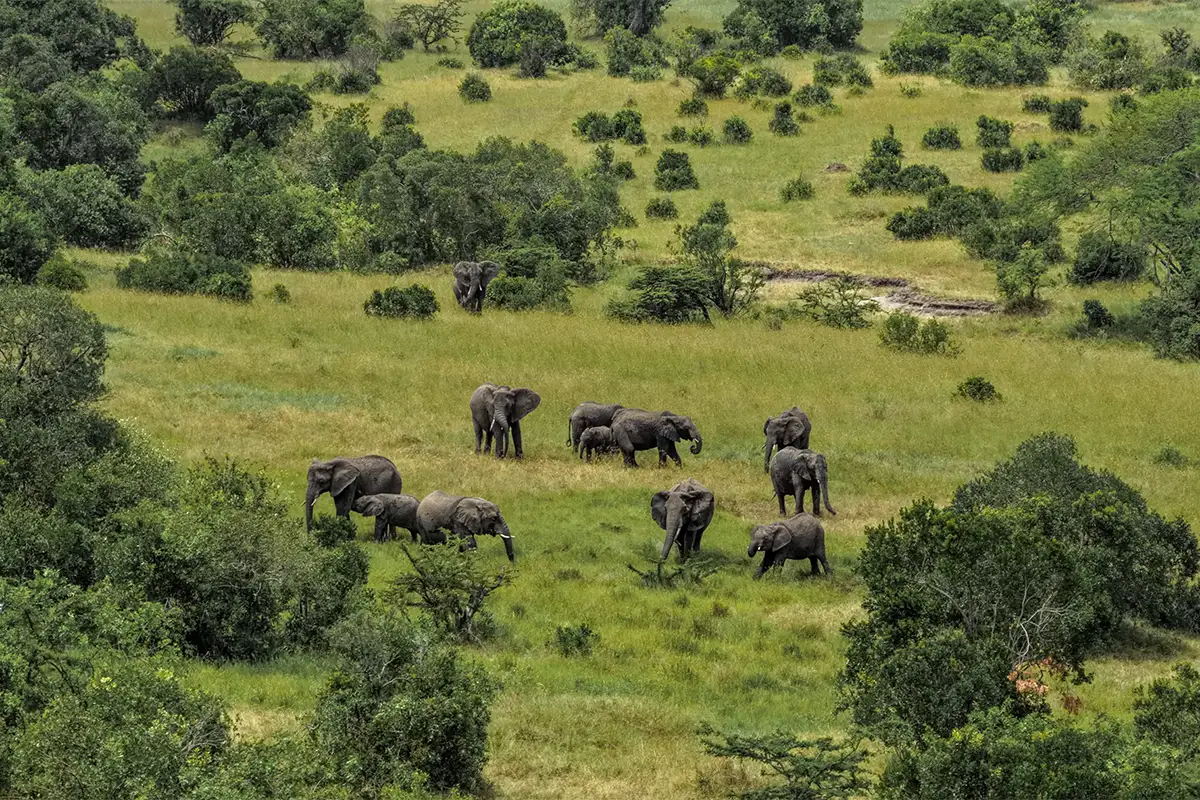
What it’s genuinely free of, and you notice this almost immediately, is urgency. And in that absence, something in you begins, almost involuntarily, to loosen. People return to the Tanzanian bush again and again, across decades and the full arc of their lives, coming back as honeymooners and then as parents, marking milestone birthdays and recovering from loss, as the newly retired and the still restless.
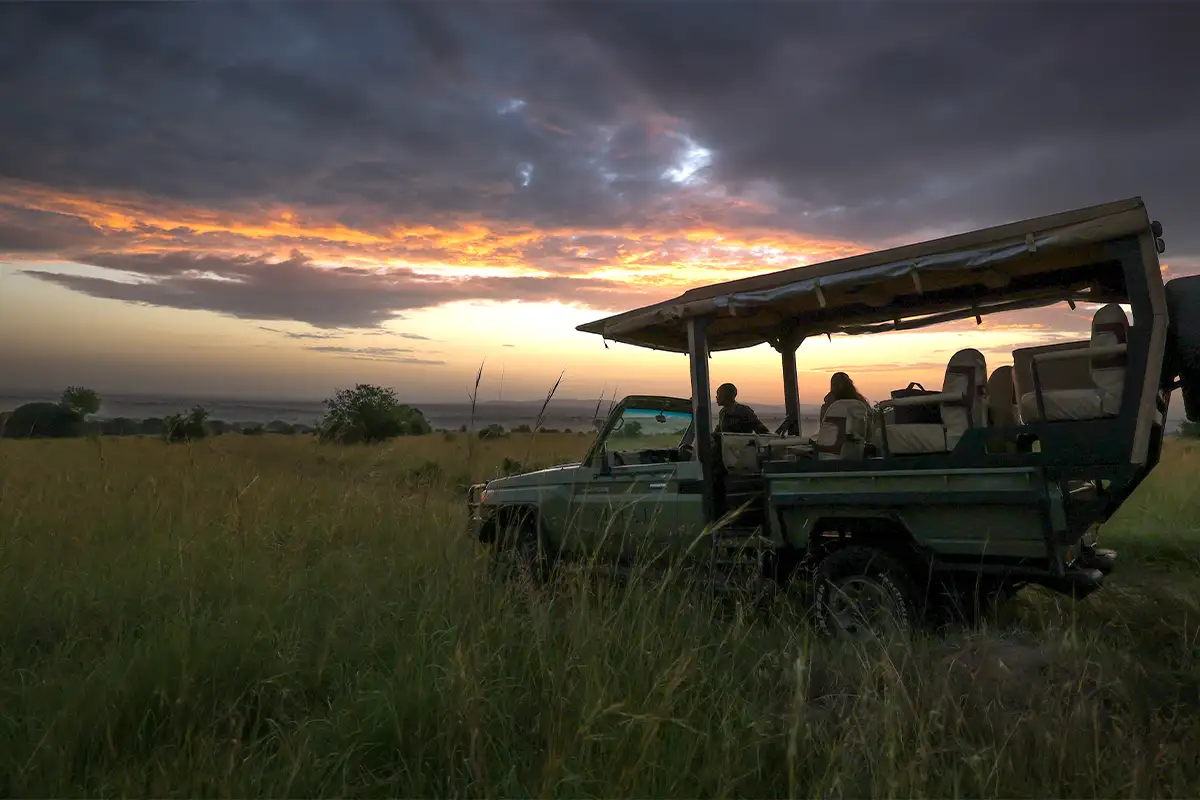
Of course, the wildlife draws them as do the timeless landscapes of northern Tanzania with its vast plains and dramatic scenery punctuated by the theatre of the Great Wildebeest Migration. However, speak to them for long enough, and most travellers will tell you it’s something less easily named that keeps pulling them back - something that happens quietly, often somewhere around the second day.
Modern life is extraordinarily good at filling every available moment. Notifications arrive before you’ve finished processing the last one, schedules stretch weeks into the future, and the ambient hum of connection rarely drops below a certain level of insistence. We grow used to that pace and stop noticing it. Tanzania’s wilderness interrupts it without asking permission with the bush keeping its own rhythm, shaped by light, weather and the unhurried logic of predator and prey, inviting you to fall into step with it.
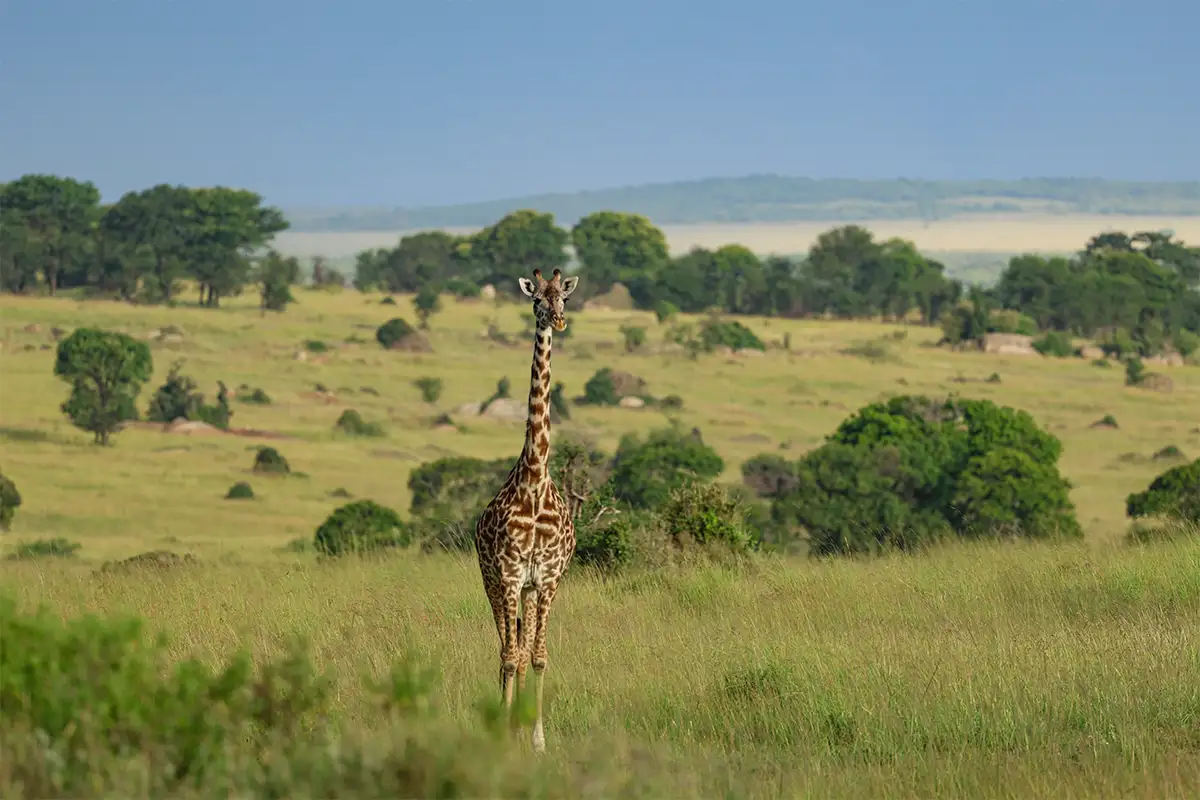
You wake to the slow brightening of the sky and the first calls of birds. Days take shape around movement, chance and shifting light. By the end of the first day, something has begun to shift. By the second, it feels entirely natural.
There’s a reason people describe a safari in physical terms long after the event. The temperature of early morning air before the sun has any warmth in it... The movement of the vehicle across a dry riverbed... The way red dust settles lightly on skin out on the Serengeti plains... The weight of the bush at 3am, when a lion calls somewhere beyond the dark.

The body keeps its own record of places visited, one that sits beneath language and outlasts most photographs. In Tanzania’s wilderness, you are rarely just observing, you are rather present within it, and that is what stays with you, even in the moment. A scent, a sound, a shift in light; the smell of canvas warmed by the afternoon sun or woodsmoke in the early morning air... These things don’t simply remind you of the place, they return you to it.
One of the quieter gifts of time in the wild is the return of genuine attention. Out here, attention has meaning in the way a guide reads the landscape for signs, interpreting what the night has left behind in dust and grass. A single bird’s behaviour reveals something larger at play, and slowly, without effort, you begin to notice more.
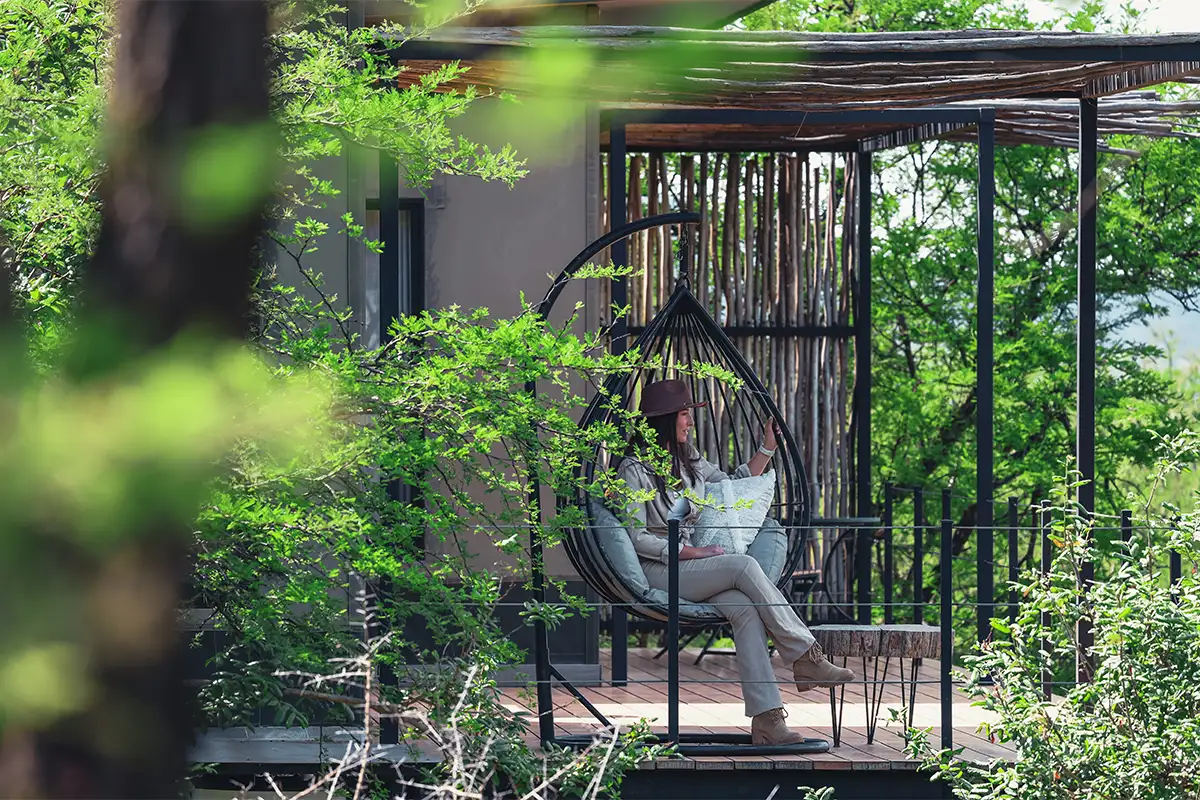
Guests often remark on this, that their awareness sharpens as the days pass. Not because they are trying to pay attention, but because they have space to. It's that quality of presence that most of us are quietly missing and in the wilderness, it returns naturally.
The appeal of wild Africa runs deeper than tourism. Human beings evolved in landscapes not unlike these, and there is growing evidence that time spent in nature restores, regulates and recalibrates the nervous system, but long before the science, people felt it.

Anyone who has sat quietly beside a waterhole in Tarangire, or watched light move across the Serengeti plains, understands that instinctively. At Nimali, this understanding sits quietly at the centre of every experience.
The great sightings are real, and they are extraordinary, but they are not the whole story because they exist alongside quieter moments like an afternoon spent watching weather roll across the plains or a conversation that unfolds slowly around the fire and the simple act of sitting still, with nowhere else to be.
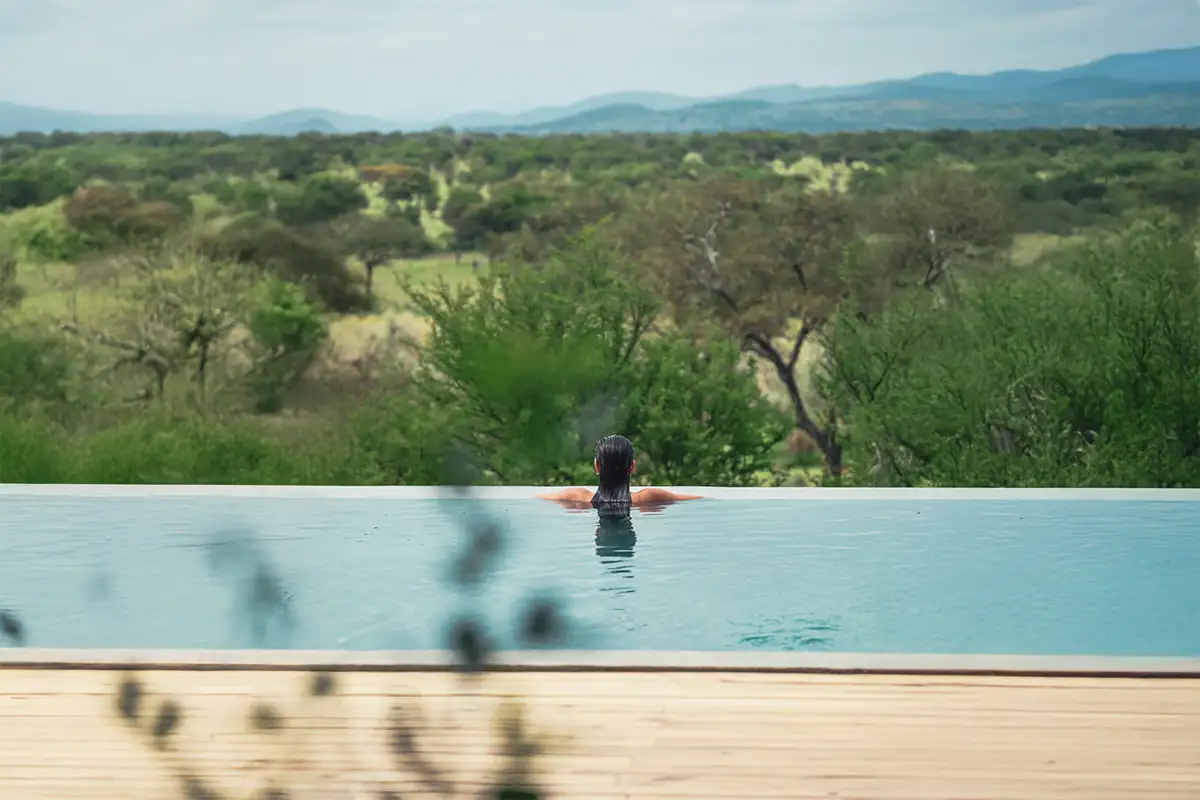
Each lodge is designed to open into its surroundings, allowing space for these moments to unfold naturally and over time, that becomes the enduring appeal of safari. It's not just what you see, but how it allows you to feel - present, aware, and, in a way that is increasingly rare, fully connected to the world around you.


